SIX DOWNHILL WORLD CUP WINS AND A GLIMPSE OF 2027: CANYON DH RACING LOOKS BACK ON ITS SEASON
Aletha Ostgaard dominates the junior women's Downhill World Cup, Luca Shaw takes his first elite World Cup win. On top of that comes further podiums and national titles for Canyon DH Racing.
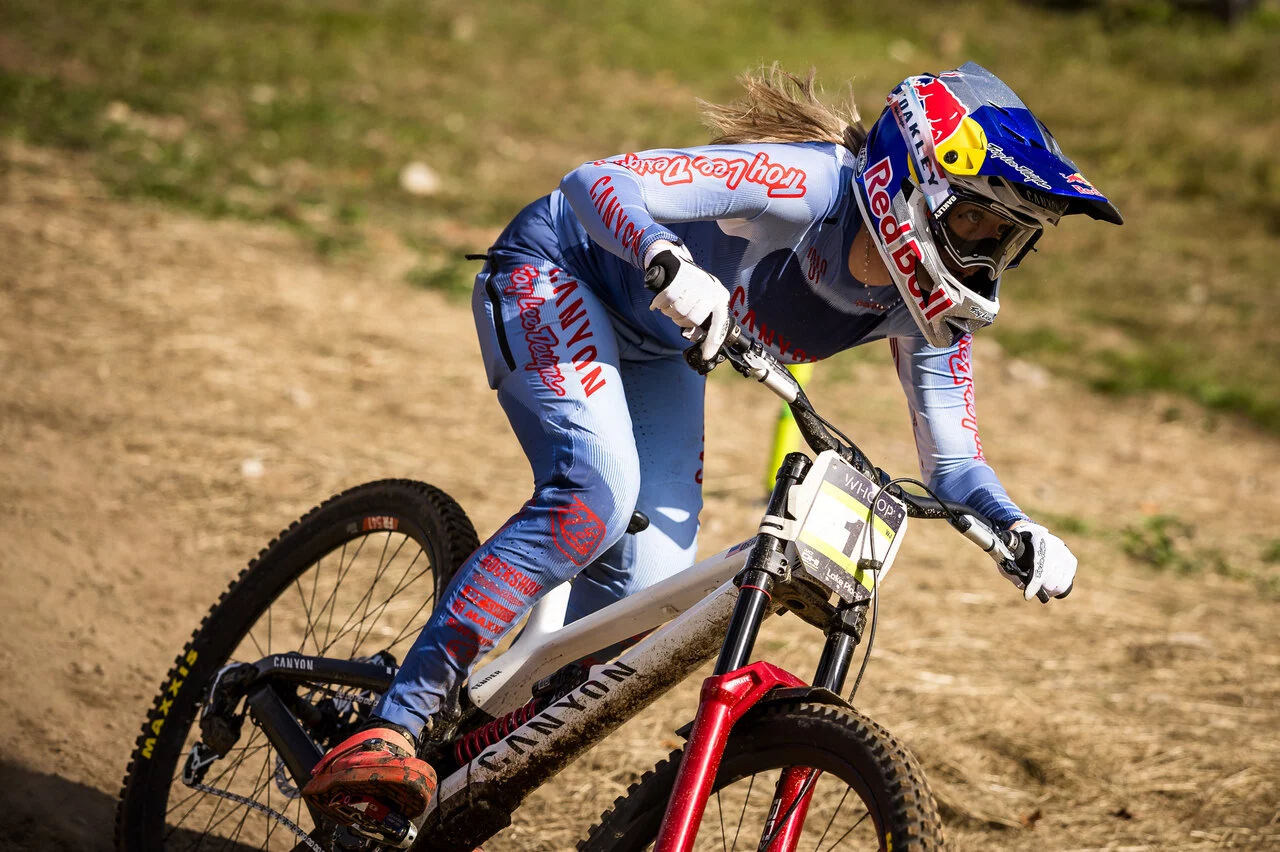
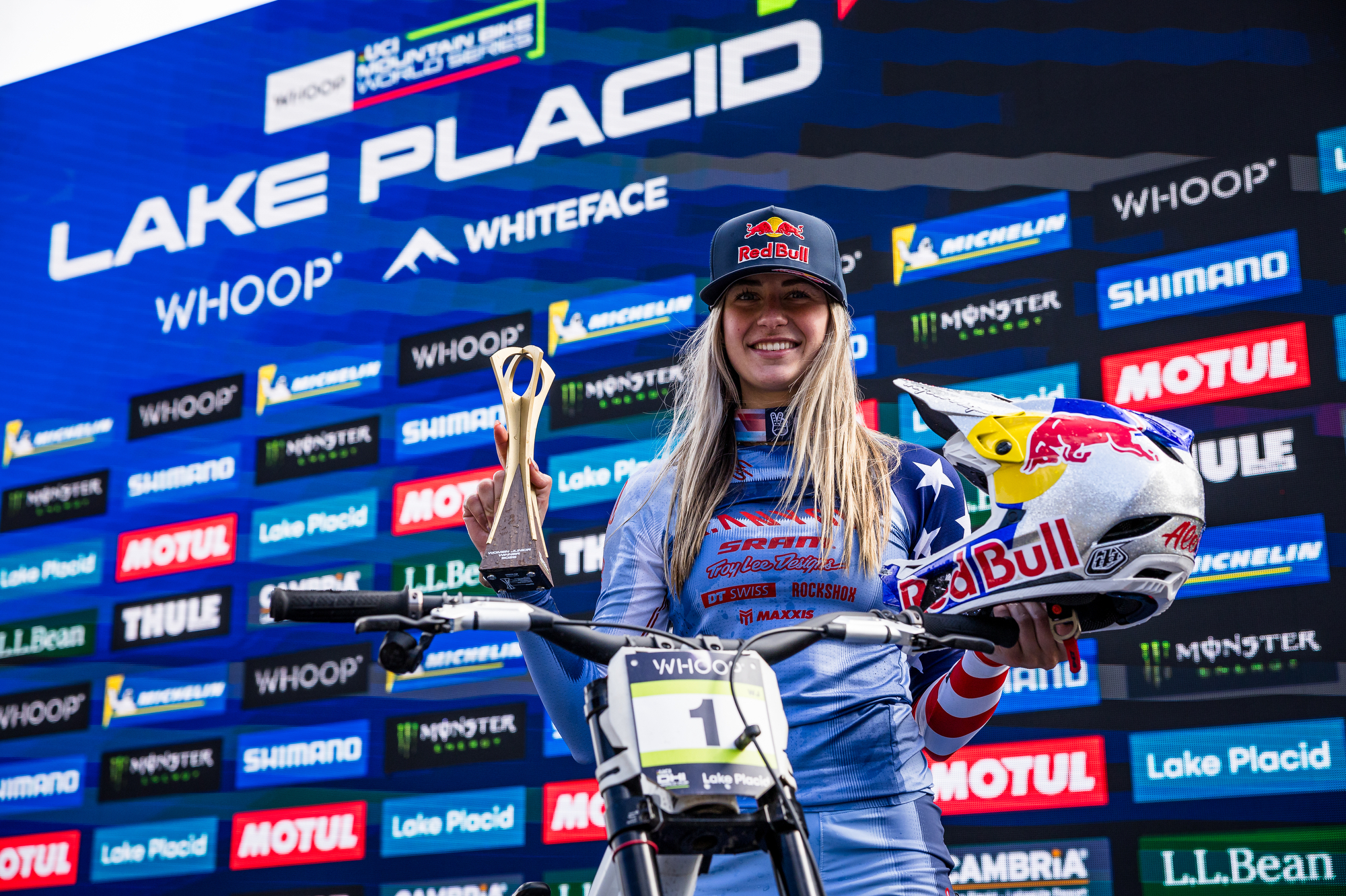
Sometimes a single number says more than any results sheet. 4.172 seconds, for example. That is exactly how much faster Aletha Ostgaard was than Valentina Höll at the Whistler World Cup. One of them, Ostgaard, just 18 years old and still a junior. The other, Höll, a five-time elite world champion and one of the most successful downhill racers of all time.
JPG
WC_LakePlacid26_0O9A4146.JPG
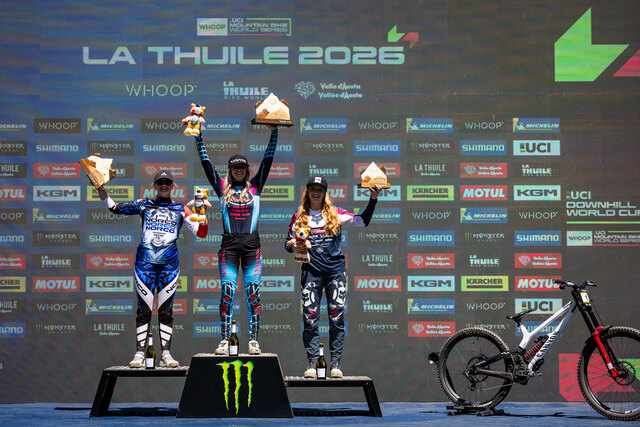
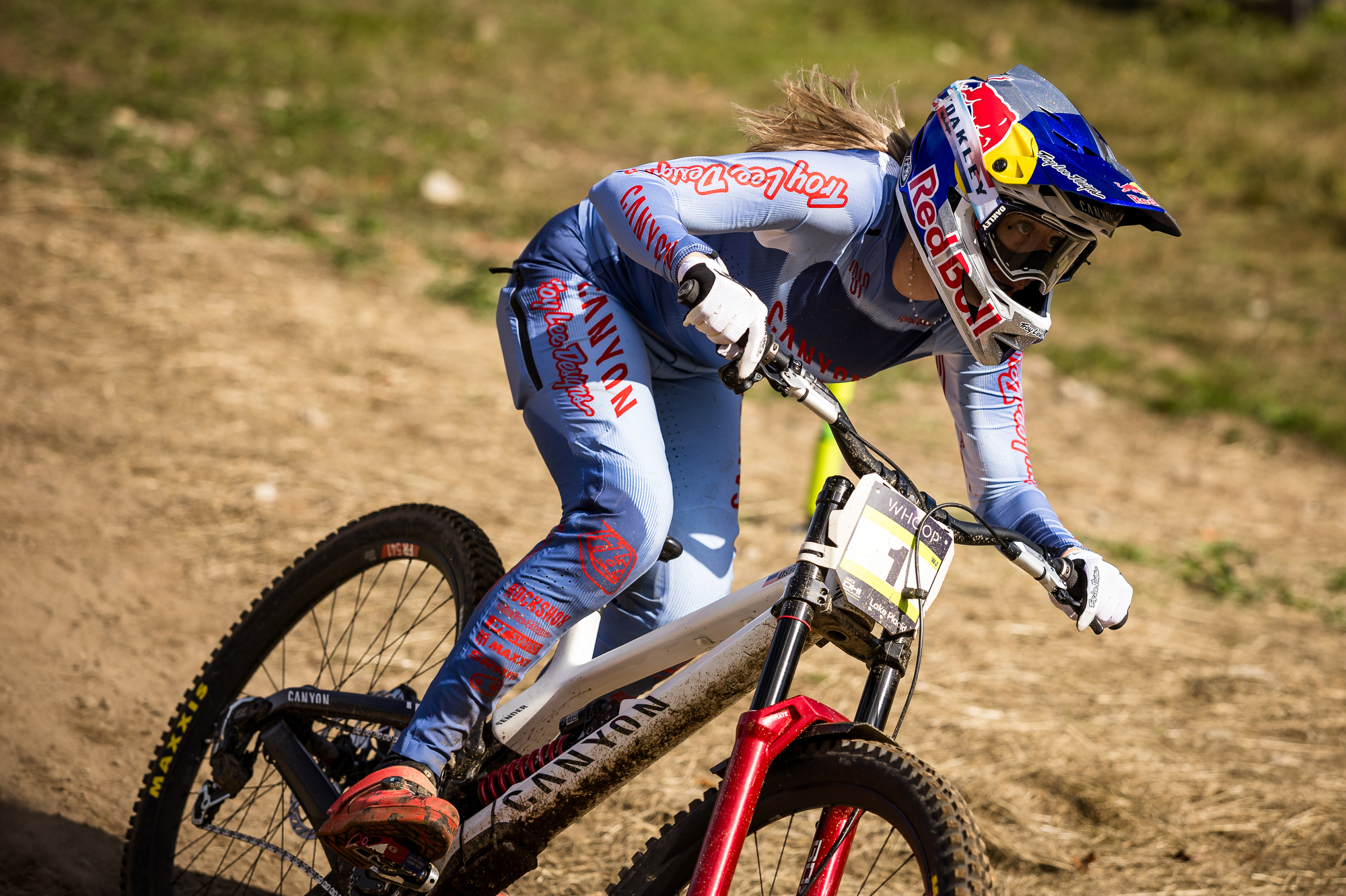
But more on that later. This season's story begins in May, some 8,000 kilometres away. At the opening round in YongPyong, South Korea, Ostgaard makes an immediate statement: she wins the junior women's race and takes the lead in the overall standings – with a time that would also have won the elite women's race. For the American, who had already made a name for herself in 2025 with four World Cup wins and World Championship bronze, it is the perfect start to her final junior season.
Luca Shaw: on top at last
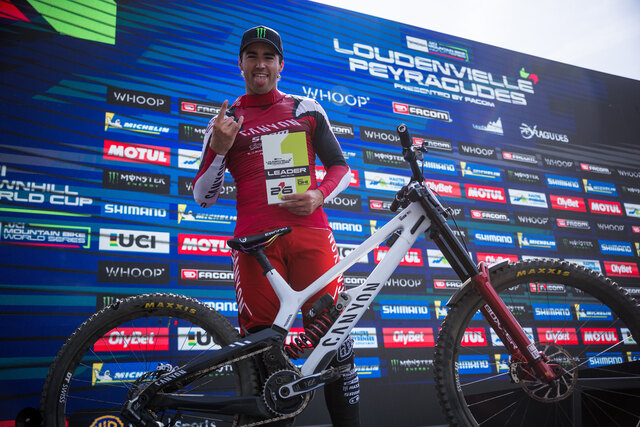
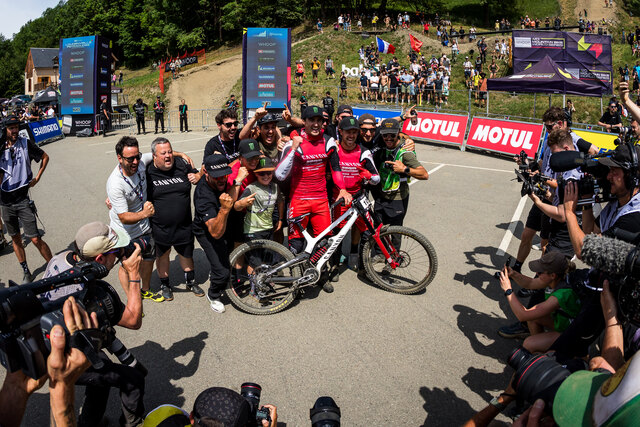
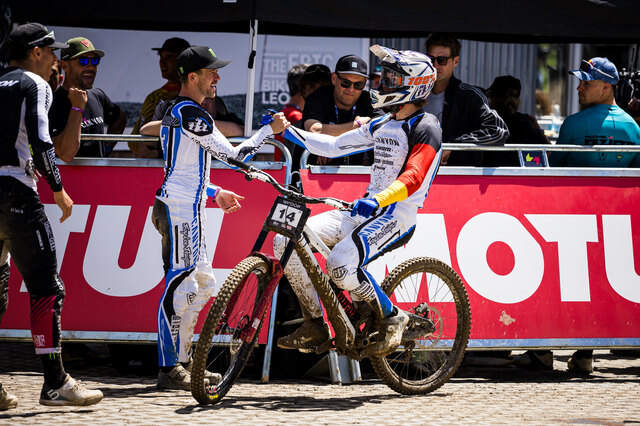
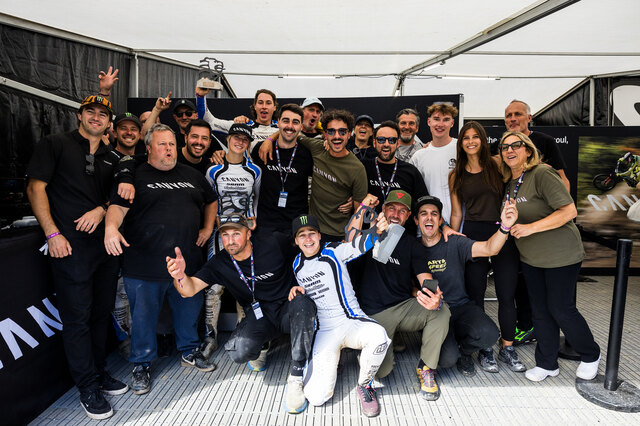
Four weeks later, another Canyon rider, and another American, delivers one of the most emotional moments of the year. Luca Shaw has been racing the World Cup for more than a decade and has stood on the podium several times, but in 78 elite races he never quite made it to the top step. At the 79th attempt, on round 2 in Loudenvielle-Peyragudes in the French Pyrenees, everything comes together. Shaw puts down a strong final run and pushes Frenchman Benoît Coulanges into second by 0.127 seconds. A razor-thin victory, and his first in the elite World Cup. For Canyon DH Racing it is a milestone – and proof of what the Sender CFR was built for.
jpg
40.8 MB
jpg
14.1 MB
A strong squad and a fast junior
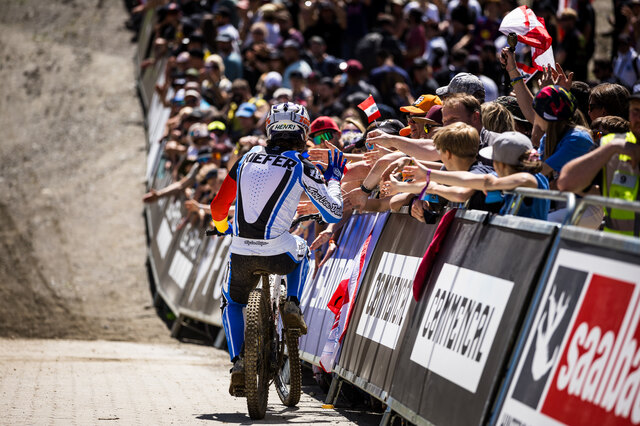
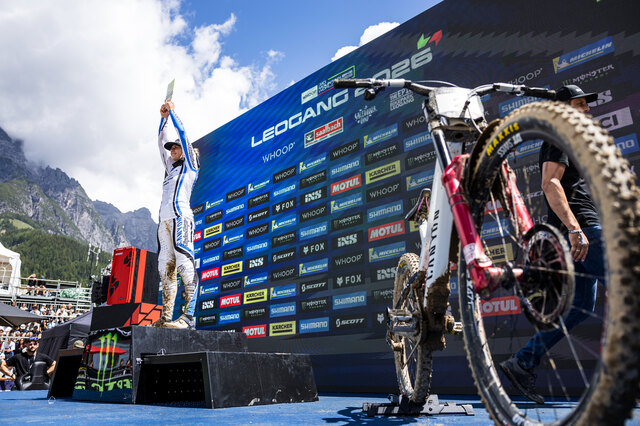
At round 3, the Leogang World Cup, the rest of the team shows its class too. 21-year-old German Henri Kiefer finishes third in the elite men's race, with teammate Troy Brosnan fourth. Marine Cabirou, fastest in qualifying, takes second behind Valentina Höll. Ostgaard finishes second among the junior women and repeats that result a week later at round 4 in Lenzerheide.
jpg
2.6 MB
jpg
2.95 MB
jpg
3.4 MB
jpg
2.85 MB
In early July, the young American is back on the top step: she wins at round 5 in La Thuile and, a week later, in Pal Arinsal at round 6. With three wins to her name, she is well on course for the overall title.
jpg
2.87 MB
jpg
2.81 MB
jpg
2.53 MB
Away from the World Cup, she becomes US junior women's champion at Big Bear Lake and even wins the elite women's category at the Crankworx Whistler Canadian Open DH. Brosnan finishes second in the men's race there, while Cabirou becomes French champion in Les Menuires.
After the summer break, Ostgaard also wins at round 7 in Les Gets (Haute-Savoie), while Cabirou takes second in front of her home crowd.
jpg
2.61 MB
jpg
1.88 MB
At the World Championships in Val di Sole, Ostgaard is beaten only by Australia's Tilly Boadle on the notorious Black Snake and takes silver. Shaw finishes sixth in the elite men's race, Kiefer eighth, and Cabirou ninth among the women.
Whistler: faster than the world champion
At the end of September, the Whistler World Cup delivers the most spectacular moment of the season. Ostgaard stops the clock at 4:09.233 in the junior women's final; runner-up Cassandre Peizerat of France loses more than nine seconds. That alone is a demonstration of her superiority.
But only the comparison with the elite race that follows shows the full scale of it: Höll wins there in 4:13.405. On the same track, Ostgaard was 4.172 seconds faster than the reigning world champion. The races were held at different times and possibly in slightly different conditions. It is a statement all the same – especially as she had already ridden at elite level in Korea.
JPG
WC_LakePlacid26_175A2716.JPG
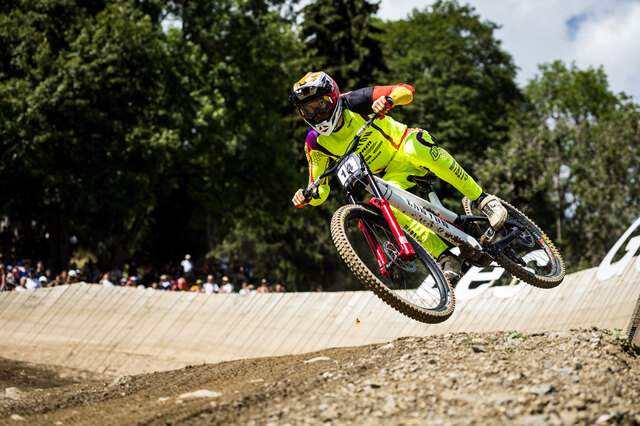
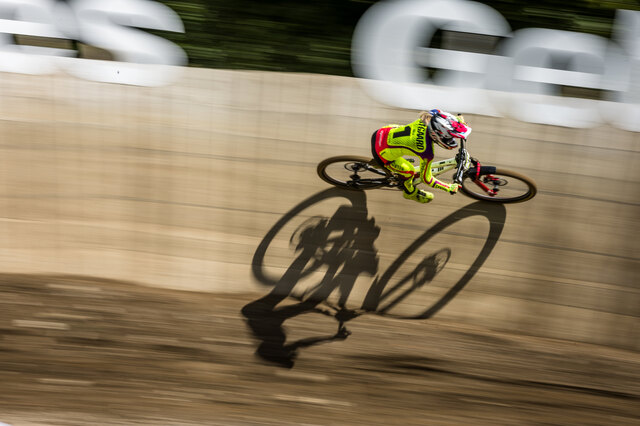
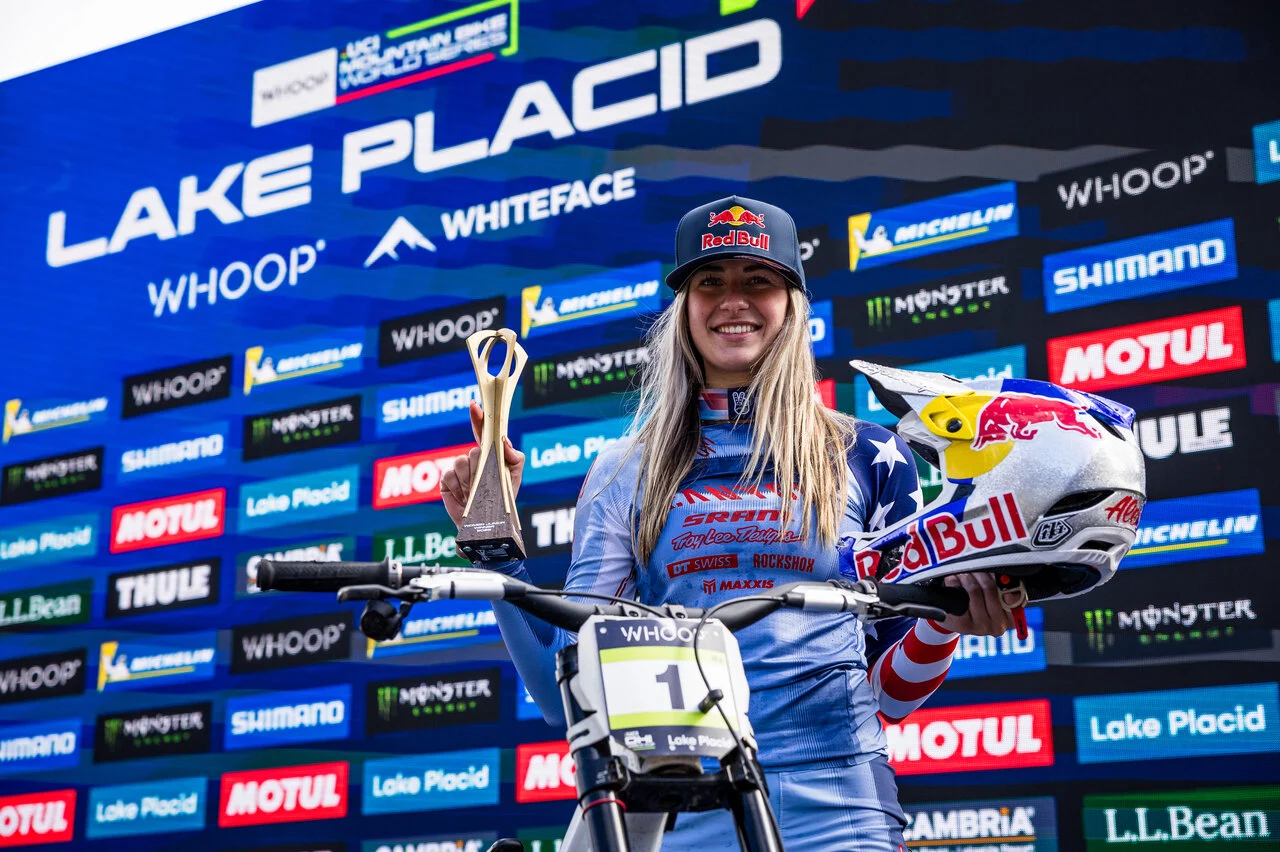
With the win, Ostgaard secures the junior World Cup overall title. At the final round in Lake Placid she finishes third, completing a season in which she reached the podium at all nine World Cup rounds: five wins, two second places and two third places. Kiefer wins the German national championship in Todtnau in September and finishes fourth in Lake Placid.
Ready for what comes next
For Aletha Ostgaard, this closes a chapter of her career. In 2027 she is moving up to the elite category where she will meet the riders whose times she already beat in Whistler. Whether she can hold that pace over a whole season in direct competition will be one of the most exciting questions of the coming year.
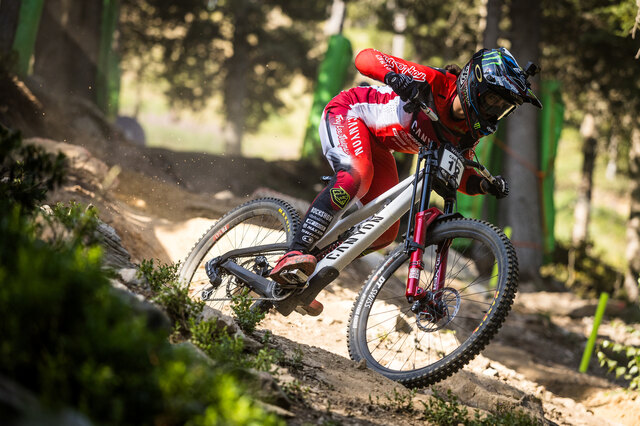
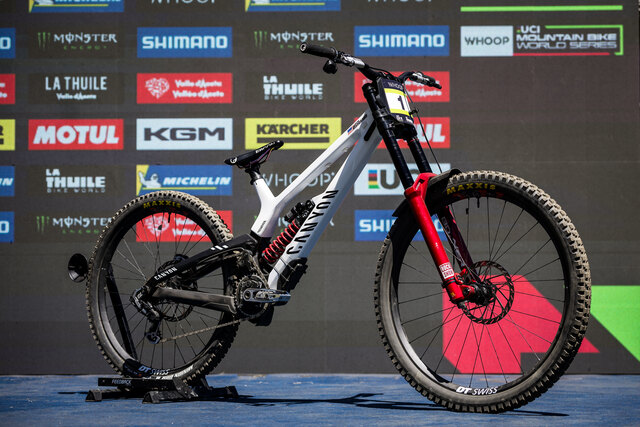
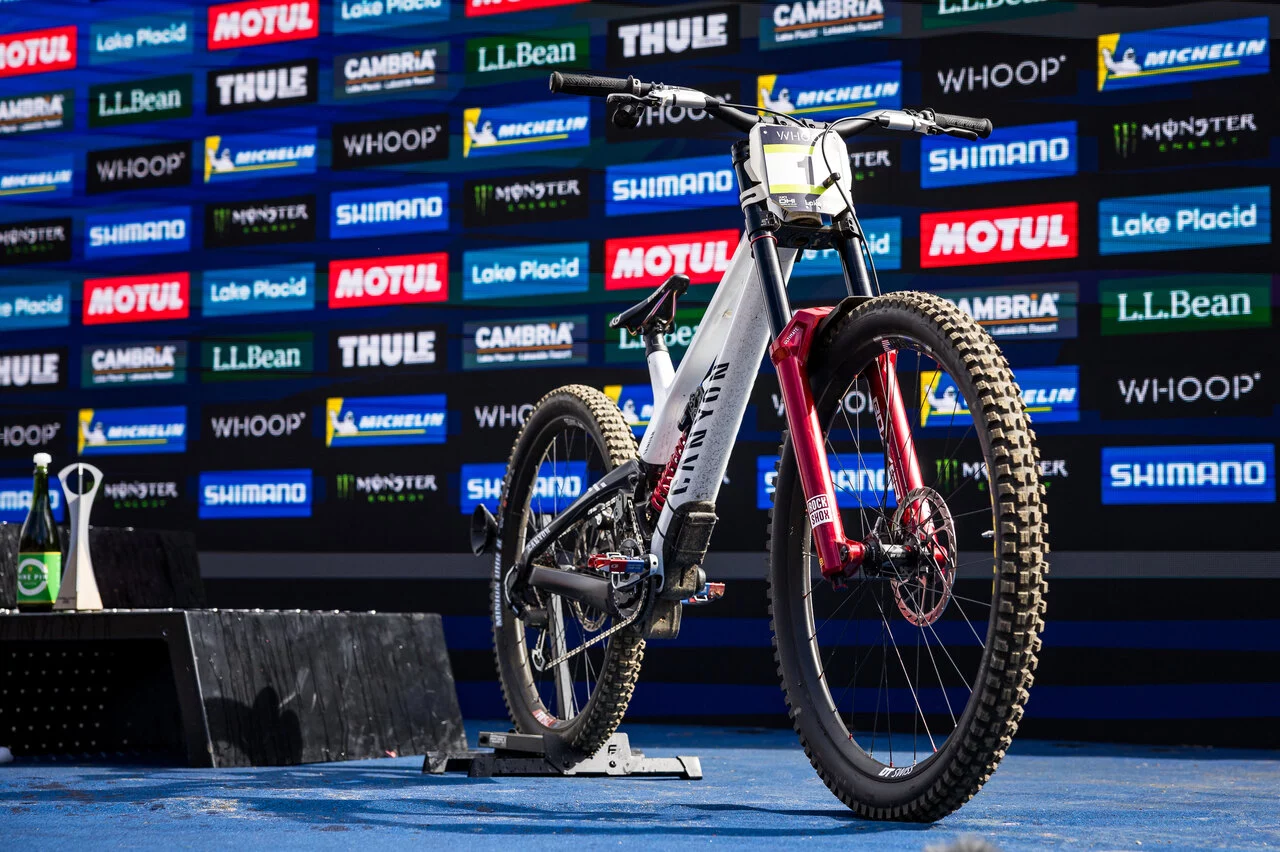
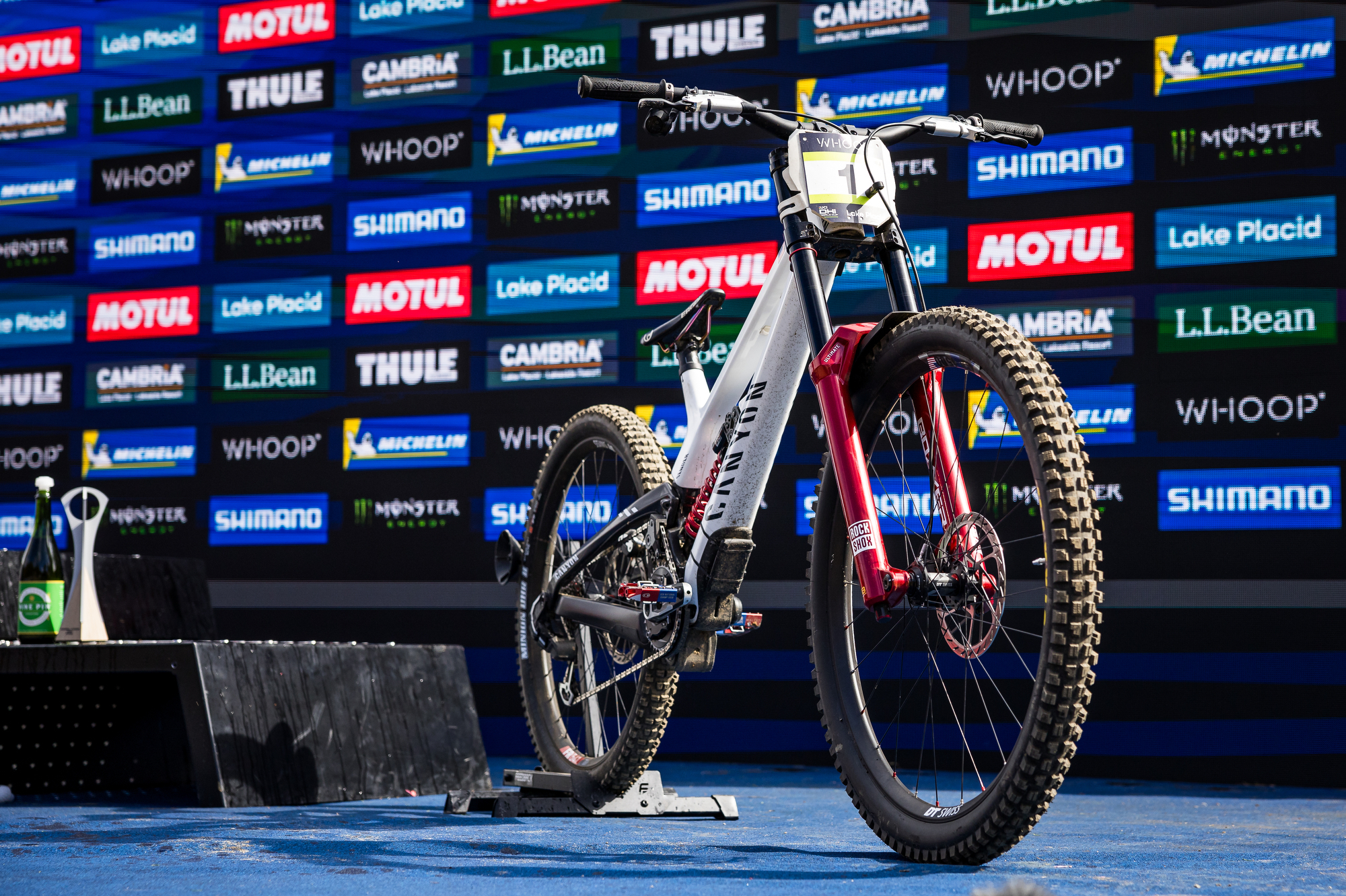
The bike beneath her won't need to change. The Canyon Sender CFR is the product of years of development in close collaboration with the factory team's riders and mechanics. Its carbon chassis with high-pivot rear end and 200 millimetres of travel is built for traction, control and speed, while its geometry and suspension can be tuned to suit the track and riding style.
JPG
WC_LakePlacid26_175A2572.JPG
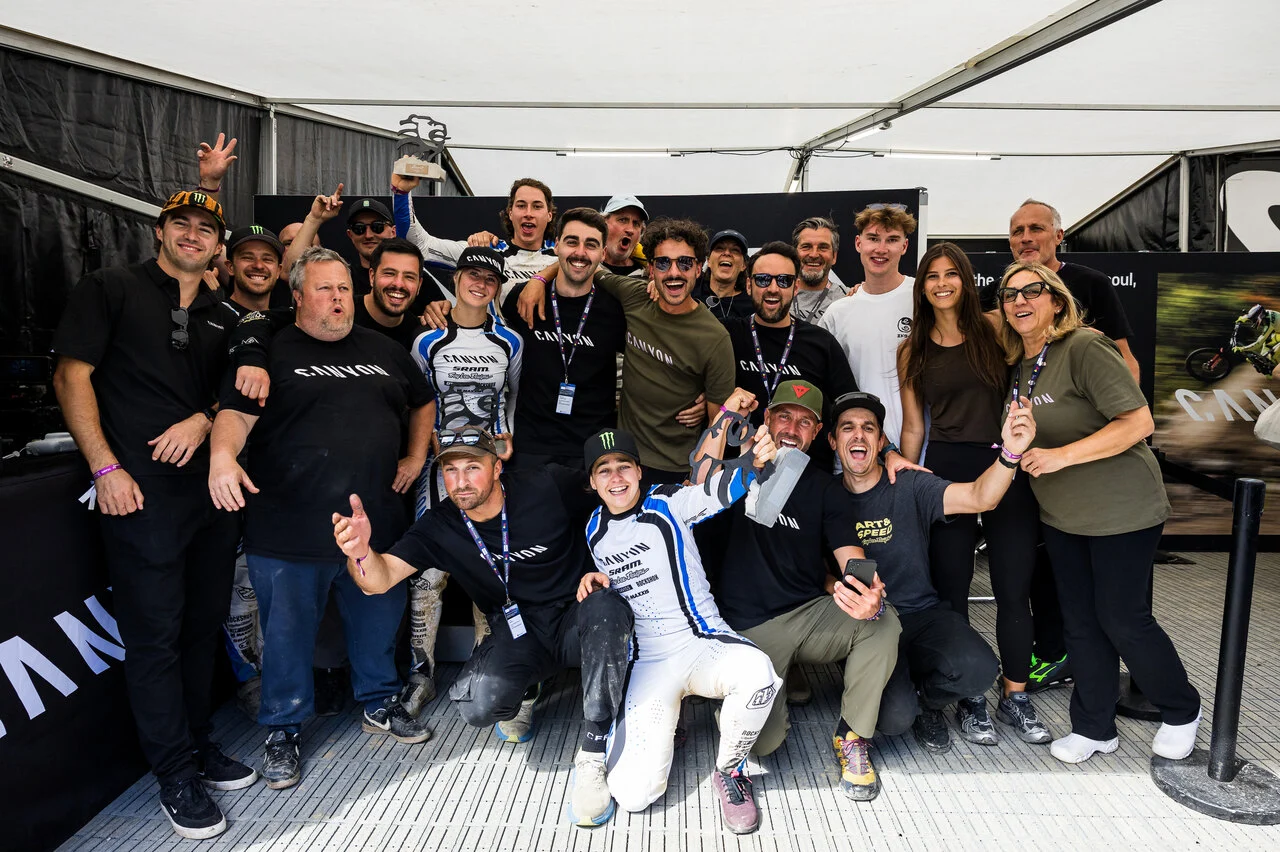
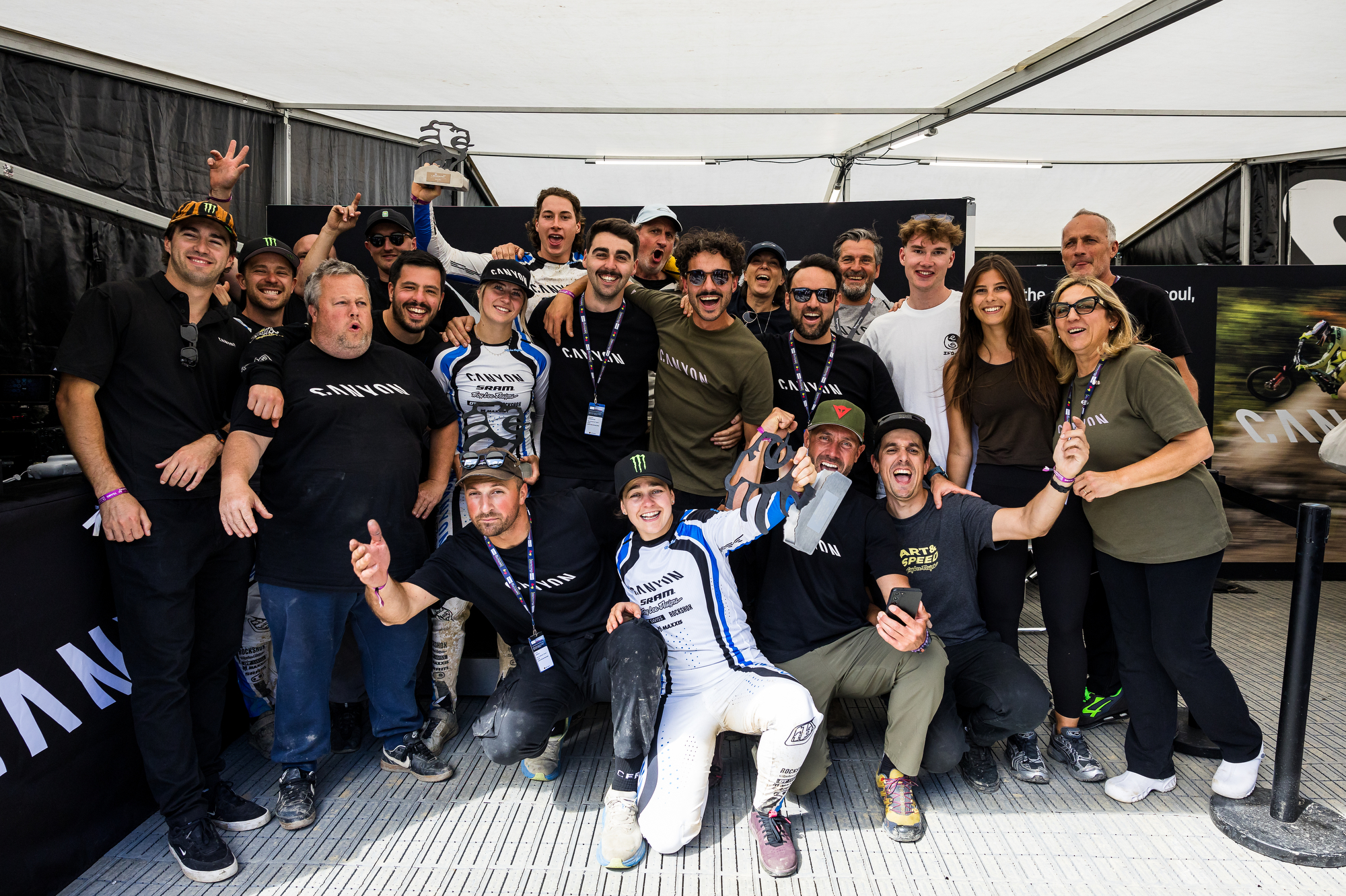
That is the core of Canyon Factory Racing, or CFR: insights from training, testing and World Cup racing feed directly into the development of the bikes. In 2026 the Sender CFR once again showed what this approach can deliver: six World Cup wins, an overall title and a junior who is already posting elite times. With World Cup winners like Luca Shaw and Aletha Ostgaard, not to mention Kiefer, Cabirou and Brosnan, Canyon DH Racing will be heading into 2027 with plenty of momentum.
Canyon athletes Aletha Ostgaard, Jenny Rissveds and Valentina Corvi capped off a hugely victorious season with overall titles across downhill and cross-country disciplines.
2025 has been another year where Canyon can celebrate pushing performance further, especially with its Canyon Factory Racing division and the nine World Champions currently riding Canyon. Here we t...
Subscribe to news
Are you a journalist or do you work for a publication? Subscribe to get access to exclusive news.