


KOBLENZ, 19 MARCH 2021 – With this media update, Canyon are providing the latest information we have regarding the current Aeroad situation. This update comes right after we’ve directly, personally reached out to our customers about the status regarding the seatpost and cockpit.
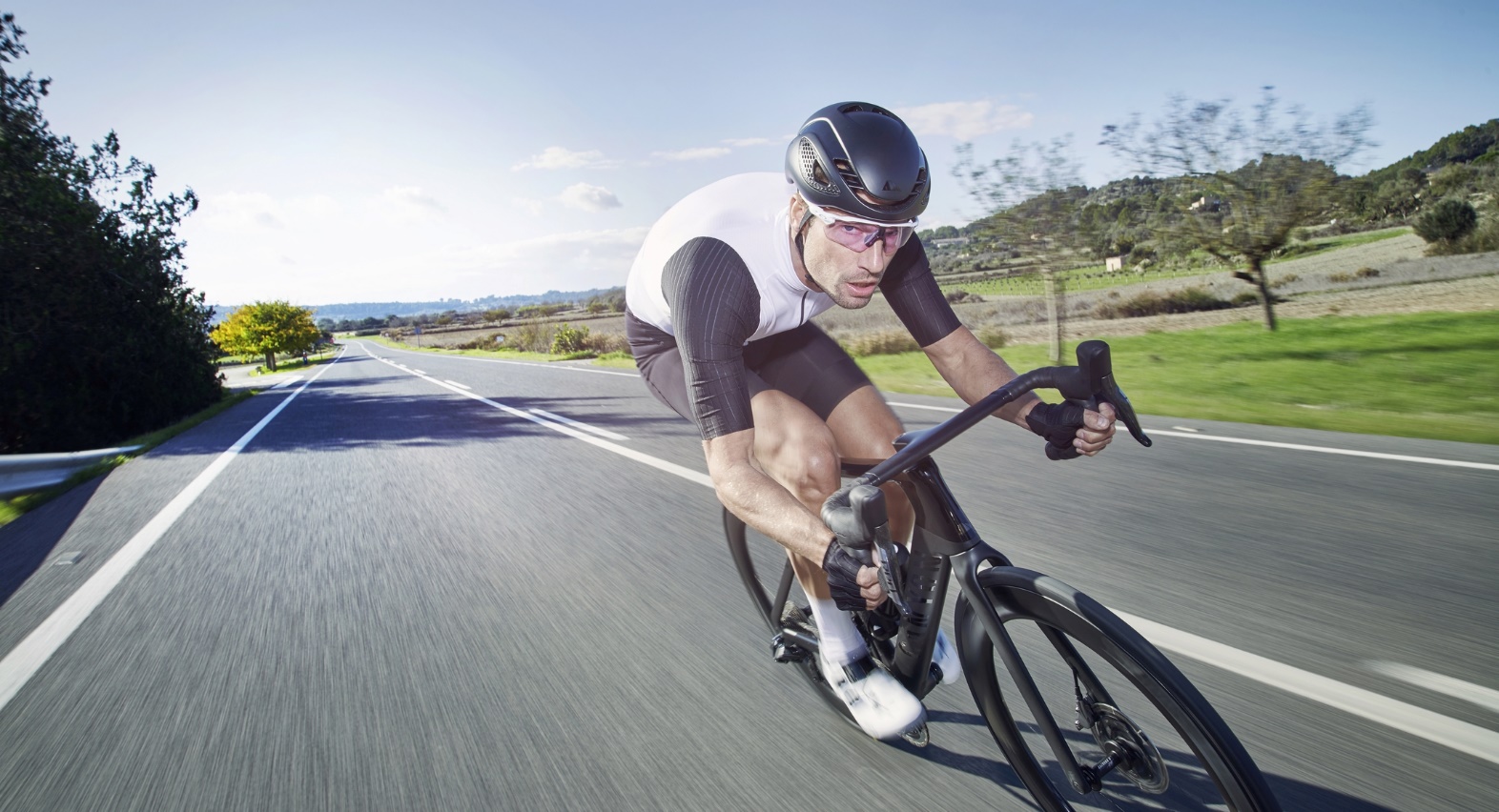
On 6 October 2020, the new R065 Aeroad replaced its extremely successful predecessor, the R050. The new generation of this multiple test and race-winning bike boasted a range of new developments. These included steps forward in terms of weight, stiffness-to-weight ratio, and aerodynamics. The bike also features our SP0046 aero seatpost with its special design and clamping system, which offers outstanding rear-end comfort for an aero road bike. Furthermore, the new Aeroad also featured the pioneering new CP0018 Aerocockpit, which for the first time, allowed simple, individual height and width adjustment (another version, the CP0015 – which enables an even lower handlebar position – was initially reserved for pro athletes).
The goal when developing the SP0046 was to make the seatpost lighter, contributing towards achieving the lower overall weight we were aiming for with the new Aeroad. Furthermore, the seatpost also creates improved rear-end comfort compared to its predecessor, by absorbing high-frequency vibrations even more effectively. To achieve this, the SP0046 has a special design which – by using a seat clamp that supports the seatpost lower down – allowed us to use a different construction for the upper and lower parts of the seatpost. Before the new Aeroad was launched to market, the SP0046 passed all tests according to ISO standard 4210-9, as well as all real-world tests, including professional use, without any issues. After the market launch, however, it became apparent that, when the seatpost is used in poor weather conditions and – unlike during the tests – is only removed and cleaned at irregular intervals, then increased material abrasion on the seatpost and in the seat tube can be caused by the introduction of dirt particles in combination with the recommended carbon assembly paste. Using assembly paste instead of a grease exacerbates this abrasion. Canyon already informed all affected customers about this at the beginning of February, and also announced measures to improve the situation.
At present, Canyon are working at full speed on various approaches to solving the problem. To this end, a new dynamic test rig has been developed which simulates the introduction of dirt under load. This can be used to simulate abrasion caused in this way. Currently, the solutions are being validated and optimised in continuous testing loops. Our aim is to ensure that the ultimate solution results in a part that customers are fully satisfied with, and which can withstand all the stresses that occur during riding. To date, however, none of the possible solutions has matured to the point where we can give an exact final repair date. Canyon are keeping the affected customers informed with regular updates. The current status is that the solution is expected to be available in the autumn.
When we developed the CP0018 Aerocockpit and the CP0015 – initially reserved for pro racing – we set out to push the limits of what is technically possible. For the first time in Canyon R&D history, we designed a cockpit that would let the customer adjust both the handlebar’s height and width at any time. At the same time, our goal was also to completely integrate all cables and lines. What’s more, the CP0018 and CP0015 were also to be lighter than any Canyon cockpit before. And ultimately, we achieved all these targets during development. The cockpits passed all mandatory tests in accordance with ISO standard 4210-5 without any exceptions, even undergoing excess loads and more demanding test cycles. Nothing stood in the way of a market launch.
After the cockpit of Alpecin-Fenix rider Mathieu van der Poel broke around the brake hood and shifter clamping area at the Le Samyn road race on 2 March, Canyon product and quality experts immediately started investigating possible causes. Even before answers to these questions were found, Canyon, as a responsible manufacturer, decided, as a precautionary measure to ensure customer safety, to halt the use and the further sale of all Aeroad models equipped with the CP0018. Aeroad CF SLX and CFR bikes were affected. All owners were informed individually, in writing.
In the meantime, we have learnt that a combination of multiple different causes can lead to such a breakage. It wasn’t possible to gain this knowledge during the industry-standard, legally required ISO 4210-5 testing process mandatory before the cockpit was launched to market. This was because the test setup only applies the forces acting on the handlebar via a ‘dummy‘ – an imitation of the shift/brake levers that are later fitted onto the bars before sale. In the course of the tests that followed the break, our product and quality experts determined that certain component combinations can provoke excessive material stress even when the prescribed torques are complied with – i.e. when the cockpit is correctly assembled and used as intended.
To improve the situation, Canyon will now have revised, reinforced versions of the side parts of the CP0018 and CP0015 cockpits manufactured. These will be safe and not susceptible to these kinds of failures. This is because the new parts will be reinforced with additional carbon material for increased wall thickness in the affected areas.
As soon as these improved parts are available from July, our customers‘ bikes will be successively repaired and then approved for use again. All affected customers have been informed individually and in writing of this, and also of compensation payments of €1,000 (CF SLX) or €1,300 (CFR) to make up for time lost. Outside the Eurozone, we will provide corresponding compensation amounts in the local currency (USA: $1,200/$1,500 USD).
This learning process has been a painful one for Aeroad customers as well as Canyon. Nevertheless, there are positives to be gained from this situation. For example, our engineers will table a revision of the 2015 ISO 4210-5 standard – on which bicycle steering testing is based – to the relevant technical committee, with the goal of working towards testing procedures that are more realistic and relevant. In addition, we will internally review our test and inspection procedures to determine to what extent they can be even more closely aligned with the extreme scenarios that ultimately occur in everyday use. Even though Canyon already often tests well beyond the required limits – and we receive valuable feedback from our pro athletes both in the product development phases and throughout the entire product life cycle – innovation also means constantly recognising and learning new things and remaining open to gaining knowledge.